As an Amazon A ssociate, I earn from Qualifying purchases.
That strange gurgling sound coming from your sink after you flush the toilet can be unsettling. It’s a common plumbing issue that leaves many homeowners scratching their heads. This gurgle or bubbling noise is more than just a minor annoyance. It’s your plumbing system’s way of telling you that something is wrong with its drainage or venting.
“Air pressure imbalances in your pipes often cause the sound you hear. When you flush the toilet, a large volume of water rushes down the drain. If the airflow is restricted, it can pull air from other places—like your sink’s P-trap. The movement of air through the P-trap creates the signature gurgling sound that signals a problem.
Fortunately, you don’t need to be a master plumber to understand what’s happening. This guide will walk you through the common causes of sink gurgling when you flush the toilet. Provide simple, step-by-step instructions to help you fix it.
Contents
- 1 Why Does My Sink Gurgle When the Toilet Is Flushed?
- 2 Leading Causes Behind Sink Gurgling
- 3 How to Fix a Sink That Gurgles When You Flush
- 4 Best Tools & Products to Solve Gurgling
- 5 How to Diagnose the Severity of the Gurgle
- 6 How to Prevent Sink Gurgling in the Future
- 7 Your Next Steps
- 8 Frequently Asked Questions
Why Does My Sink Gurgle When the Toilet Is Flushed?
Your home’s plumbing system is an interconnected network of pipes. The sink and toilet in your bathroom often share a drain line and a vent pipe. The vent system is crucial because it allows air to enter the pipes. helping water flow smoothly and preventing sewer gases from entering your home.
When you flush the toilet, the rushing water pushes air ahead of it. If a drain or vent is blocked, the displaced air cannot escape and pushes up through the nearest opening, often your sink drain. This upward movement of air creates the distinct gurgling sound. The main culprits are usually:
- A clogged shared drain line.
- A blocked plumbing vent.
- A partial sewer line blockage.
- Improperly designed plumbing.
Identifying the specific cause is the first step to resolving the issue and getting your plumbing system back in working order.
Leading Causes Behind Sink Gurgling
Let’s break down the primary reasons your sink might gurgle. Understanding these issues will help you pinpoint the problem.
- Clogged Shared Drain Line: Debris like hair, soap scum, and other waste can build up in the drain pipe shared by your sink and toilet. When the toilet is flushed, the water can’t flow freely, which can force air back toward the sink and make it gurgle.
- Blocked Plumbing Vent: The plumbing vent, often a pipe extending through your roof (the vent stack), allows air to enter the drainage system to equalize air pressure. If this vent gets clogged with leaves, bird nests, or other debris, it can’t do its job. A toilet flush then creates negative pressure in the pipe, pulling air through your sink’s water-filled P-trap and causing a gurgling noise.
- Partially Clogged P-Trap: The P-trap is the curved section of pipe under your sink. Its job is to hold a water seal that blocks sewer gases. If this P-trap becomes partially clogged, it slows drainage and can cause air bubbles to travel upward when the toilet is flushed.
- Sewer Line Issues: A more serious problem is a blockage in your main sewer line, which can result from tree roots growing into the pipe, accumulated grease, or other debris. The restricted flow from such a blockage affects the entire plumbing system, often causing multiple fixtures to drain slowly and produce gurgling sounds.
- Poorly Designed Plumbing: In some cases, especially with newly installed or aging plumbing, the problem lies in the plumbing layout itself. An incorrect pipe slope or improperly placed vent can lead to chronic air pressure imbalances and gurgling.
How to Fix a Sink That Gurgles When You Flush
Ready to tackle the problem? This step-by-step guide will help you resolve the issue, starting with the simplest fixes.
- Step 1: Use Boiling Water: For minor clogs caused by soap or grease, pouring a pot of boiling water down the gurgling sink can sometimes be enough to clear the blockage. Be cautious with this method if you have PVC pipes, as extremely hot water can soften them.
- Step 2: Use a Drain Snake: If hot water doesn’t work, a drain snake (or auger) is your next best tool. Feed the snake down the sink drain to break up or pull out any hair or debris that is causing the clog.
- Step 3: Flush and Observe: After attempting the first two steps, flush the toilet and listen. If the gurgling persists, the problem is likely further down the line or in the vent pipe.
- Step 4: Check the Roof Vent: Safely get on your roof and inspect the plumbing vent stack. Clear away any leaves, nests, or debris that might be blocking the opening. You can use a flashlight to look for blockages deeper inside the pipe and a garden hose to flush it out. Proper airflow is essential.
- Step 5: Use a Plumbing Bladder: For more challenging clogs in the shared drain line, a plumbing bladder can be effective. This tool attaches to a hose, inflates to seal the pipe, and shoots high-pressure water to force the blockage out.
- Step 6: Call a Plumber: If you’ve tried these steps and the sink still gurgles, or if you suspect a main sewer line issue, it’s time to call a professional plumber. They have specialized tools, such as cameras for professional inspection and hydro-jetters for deep drain cleaning, to diagnose and safely fix the problem.
Best Tools & Products to Solve Gurgling
Having the right tools makes all the difference. Here’s what you should have on hand:
- Drain Snakes or Augers: Essential for physically clearing clogs from individual drains.
- Enzyme-Based Drain Cleaners: These are a safe alternative to harsh chemicals. They use bacteria and enzymes to break down organic waste without damaging your pipes.
- High-Pressure Plumbing Bladders: Effective for clearing blockages in larger, shared drain lines.
It’s best to avoid chemical drain cleaners. They can be corrosive, potentially damaging older metal pipes or PVC pipes, and can sometimes make a blockage worse by solidifying it.
How to Diagnose the Severity of the Gurgle
The gurgling sound itself can give you clues about how serious the plumbing problem is.
- Mild and Occasional Gurgling: If the sink gurgles only now and then, a plumber or homeowner can easily fix the minor, partial drain blockage.
- Consistent Gurgling with Every Flush: This usually points to a more significant clog in the shared drain line or an entirely blocked vent pipe.
- Loud Gurgling with a Foul Odor: If you notice a sewer-like smell along with the gurgle, it’s a strong indicator of a sewer line issue or a dry P-trap, allowing sewer gases to escape.
- All Fixtures Are Affected: If your shower, kitchen sink, and floor drain also gurgle or drain slowly when you flush the toilet, the blockage is almost certainly in the main line connecting your home to the municipal sewer or septic system.
How to Prevent Sink Gurgling in the Future
Once you’ve fixed the gurgling sink, a little preventive maintenance can keep the problem from returning.
- Clean Drains Regularly: Once a week, pour hot water down your sink drains to dissolve grease and soap scum. Using an enzyme-based drain cleaner monthly is also a great practice.
- Keep the Roof Vent Clear: Check your plumbing vent stack at least once a year to ensure it’s free of leaves, nests, and other debris.
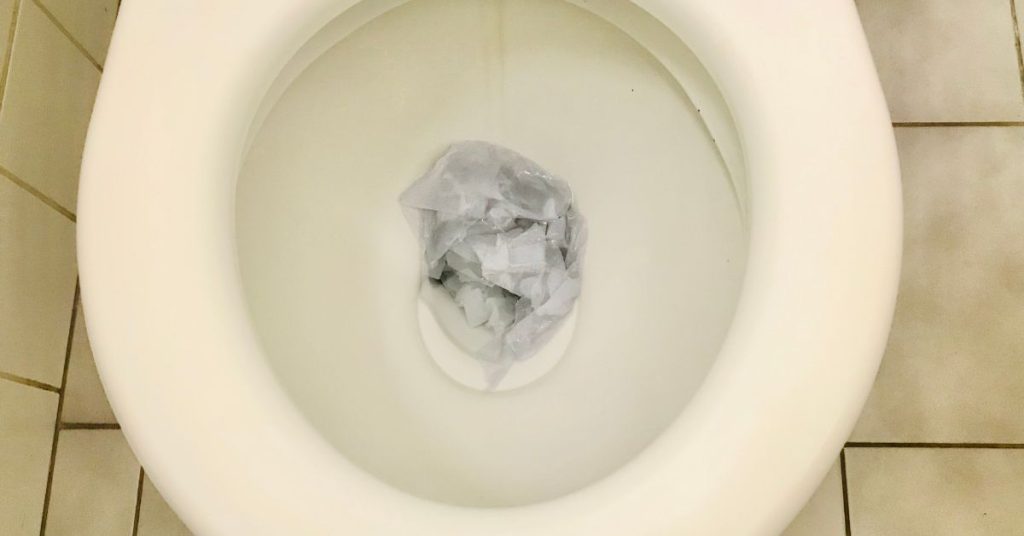
- Only Flush Toilet-Safe Items: Avoid flushing anything other than human waste and toilet paper. Wipes (even “flushable” ones), paper towels, and hygiene products can cause serious clogs.
- Schedule Annual Maintenance: If you live in an older home with aging plumbing, consider scheduling annual drain maintenance with a plumber to prevent major blockages.
- Ensure Proper Venting During Renovations: If you’re remodeling or adding a bathroom, ensure your plumber installs the plumbing vent system correctly to maintain proper air pressure and prevent future gurgling.
Your Next Steps
A gurgling sink after flushing the toilet is a clear sign of a drain or vent blockage. While it might seem like a complex plumbing mystery, most causes are straightforward and can be diagnosed with a bit of observation. A homeowner or plumber can resolve many of these issues using basic tools and a bit of effort.
By following the steps outlined above, you can often restore healthy water flow and quiet your noisy pipes. Remember, preventive care is the best way to maintain your plumbing system and avoid future headaches. If the problem seems too big to handle, don’t hesitate to contact a professional plumber.
Frequently Asked Questions
1. Why does my sink make a bubbling noise after flushing the toilet?
Negative air pressure in your drain pipes typically produces a bubbling or gurgling noise. When a vent is blocked, flushing the toilet forces the system to pull air from the nearest source, which is often your sink’s P-trap, creating bubbles.
2. Is gurgling a sign of a clogged vent pipe?
Yes, a gurgling sink is one of the most common signs of a clogged or blocked plumbing vent pipe. Without proper airflow from the vent, the drainage system cannot equalize pressure correctly, leading to gurgling sounds in nearby fixtures.
3. Can flushing wipes cause sink gurgling?
Absolutely. So-called “flushable” wipes do not break down like toilet paper and are a leading cause of clogs in household and main sewer lines. These clogs can easily lead to a gurgling sink.
4. How do I know if my main sewer line is clogged?
Signs of a main sewer line clog include multiple fixtures (sinks, toilets, showers) draining slowly or backing up simultaneously, gurgling sounds from several drains, and foul odors coming from drains around the house.
5. Can I fix the gurgling myself, or do I need a plumber?
You can often fix minor issues, like a small drain clog or an accessible vent blockage, yourself using a drain snake or by clearing the vent opening. However, if the problem persists or you suspect a main sewer line blockage, it’s best to call a licensed plumber.
As an Amazon A ssociate, I earn from Qualifying purchases.