As an Amazon A ssociate, I earn from Qualifying purchases.
Spotting a dark, fuzzy patch on your bathroom ceiling can be unsettling for any homeowner. One day the paint looks pristine, and the next, small black spots begin to spread across the surface. Because the bathroom is naturally a damp environment, it is unfortunately a prime breeding ground for mold.
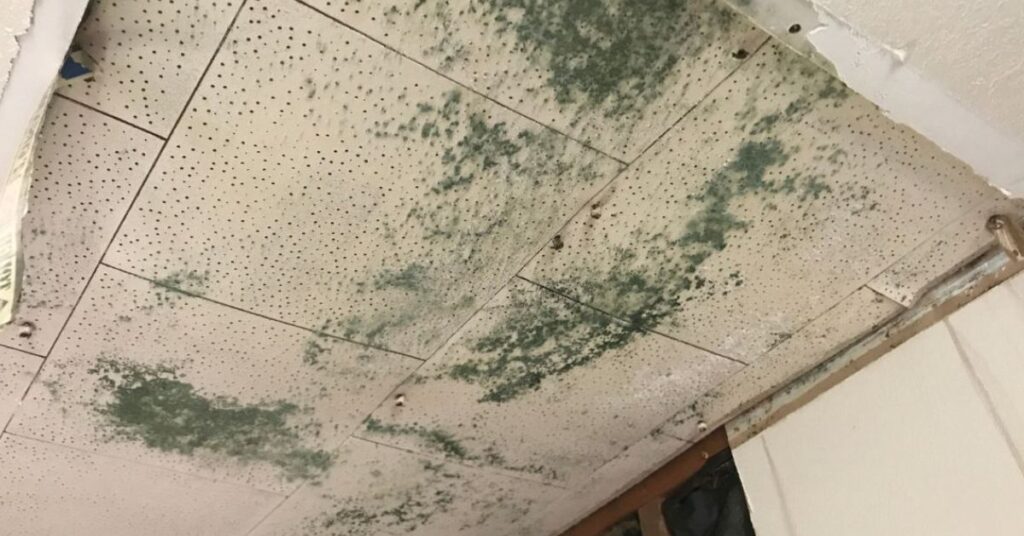
While many people view this as a simple aesthetic issue, the question remains: is black mold on the bathroom ceiling dangerous? The short answer is yes, it can be. Beyond being an eyesore, the presence of black mold often indicates underlying moisture issues and poses potential health risks to you and your family. In this guide, we will explore the dangers of mold exposure, identify the symptoms to watch for, and provide actionable steps to safely clean the mold and prevent it from returning.
Contents
- 1 What Is Black Mold on a Bathroom Ceiling?
- 2 Is Black Mold on the Bathroom Ceiling Dangerous?
- 3 Health Symptoms Caused by Black Mold Exposure
- 4 Why Black Mold Grows on Bathroom Ceilings
- 5 How to Safely Remove Black Mold from a Bathroom Ceiling
- 6 How to Prevent Black Mold from Coming Back
- 7 When to Call a Professional Mold Remediation Service
- 8 Conclusion
- 9 Frequently Asked Question
What Is Black Mold on a Bathroom Ceiling?
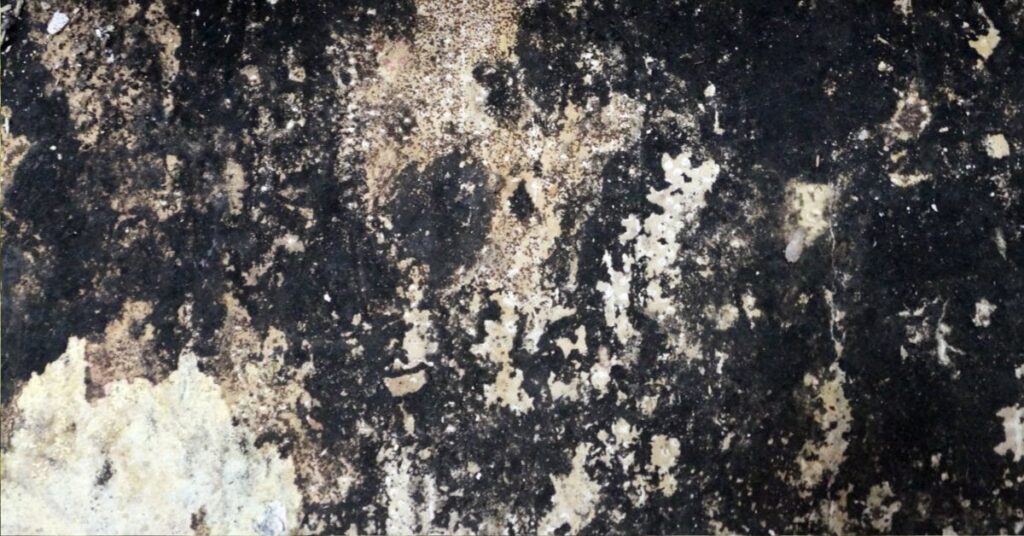
When people refer to “black mold,” they are often talking about a specific type of mold known as Stachybotrys chartarum. This species is infamous because it produces mycotoxins—substances that can be harmful when inhaled or touched. However, not every dark spot on your ceiling is this specific toxic variety. Several other common mold types, such as Cladosporium or Aspergillus, can also appear black or dark green.
Regardless of the specific species of mold, finding it on your ceiling is a sign that your bathroom has excessive moisture. Ceilings are particularly vulnerable because steam from hot showers rises and condenses on the cool surface. If the moisture isn’t vented out properly, it soaks into the paint and drywall, creating an ideal environment for mold growth. While you might be tempted to ignore a small spot, it is crucial to remember that visible mold is often just the tip of the iceberg.
Is Black Mold on the Bathroom Ceiling Dangerous?
The primary concern for most residents is whether the mold can make them sick. Exposure to black mold can indeed be dangerous, particularly if the infestation is left untreated for a long period. As mold grows, it releases microscopic mold spores into the air. When you use the bathroom, you may unknowingly inhale these spores.
For healthy individuals, minor exposure might only cause temporary irritation. However, the potential health risks increase significantly for vulnerable groups. Children, the elderly, and individuals with compromised immune systems are far more susceptible to the harmful effects. Furthermore, those with pre-existing respiratory issues like asthma may find their condition worsening rapidly in a moldy environment. Because black mold can release mycotoxins, even people without prior health issues can eventually develop symptoms if the mold problem is severe enough.
Health Symptoms Caused by Black Mold Exposure
Understanding the symptoms associated with black mold exposure is essential for protecting your health. Symptoms ranging from mild annoyance to severe respiratory distress can occur depending on the extent of the mold growth and individual sensitivity.
Common health issues include:
- Respiratory Issues: Wheezing, coughing, and shortness of breath are frequent complaints. You might feel like you have a cold that just won’t go away.
- Allergic Reactions: Sneezing, runny nose, red eyes, and itchy skin are classic signs of an allergic reaction to mold spores.
- Skin Irritation: Direct contact with mold—or even airborne spores—can cause rashes or hives.
- Asthma Flare-ups: For asthma sufferers, inhaling spores can trigger severe attacks.
- Fatigue and Headaches: Prolonged exposure to toxic black mold growth has been linked to persistent headaches and chronic fatigue.
If you or your family members are experiencing these symptoms and you see mold on the bathroom ceiling, it is essential to address the issue immediately.
Why Black Mold Grows on Bathroom Ceilings
To effectively eliminate mold, you must understand why it appeared in the first place. Mold spores are everywhere in the air, but they need moisture to thrive. The bathroom offers the perfect storm of conditions contributing to mold growth.
- High Humidity: Steam from hot showers creates high humidity levels that linger long after you’ve dried off.
- Poor Ventilation: Without proper ventilation, that steam has nowhere to go. It condenses on the ceiling, keeping the drywall damp.
- Leaks: Sometimes the issue isn’t steam, but a water leak from the roof or a plumbing pipe in the floor above.
- Porous Materials: Bathroom ceilings are often painted with standard paint rather than mold-resistant varieties. Once moisture penetrates the porous drywall, mold can grow deep within the material.
Identifying the source of the moisture is just as important as cleaning the surface. If you clean the mold but don’t fix the ventilation or the leak, the mold keeps returning.
How to Safely Remove Black Mold from a Bathroom Ceiling
If the area of mold infestation is small (generally less than 10 square feet), you can likely remove black mold yourself. However, safety must be your priority. Distrubing the colony can release millions of spores into the air.
Follow these steps to safely remove the mold:
- Protect Yourself: Wear non-porous gloves, protective eyewear, and an N95 mask to avoid inhaling spores.
- Ventilate the Area: Open windows and turn on the exhaust fan to ensure fresh air circulation while you work.
- Prepare a Cleaning Solution: You can use undiluted white vinegar (which kills roughly 82% of mold species), hydrogen peroxide, or a commercial mold remover. Avoid mixing different chemicals, especially bleach and ammonia, as this creates toxic fumes.
- Apply and Scrub: Spray the solution directly onto the black mold spots and let it sit for an hour to kill the roots. Then, gently scrub the affected area with a brush or sponge.
- Dry Thoroughly: After you remove the mold, dry the ceiling completely.
Note: While bleach is often recommended, it typically only kills surface mold on non-porous surfaces. For porous drywall, vinegar or specialized antifungal products are often more effective at penetrating the surface to kill mold roots.
How to Prevent Black Mold from Coming Back
Once you have managed to clean the mold, the goal is to ensure it stays gone. Mold prevention is all about moisture control. By making the environment less hospitable, you prevent mold growth from taking hold again.
- Improve Ventilation: Run your exhaust fan during every shower and for at least 30 minutes afterward to pull out moisture.
- Keep Your Bathroom Dry: Squeegee shower walls and dry the ceiling if you notice condensation accumulating.
- Use a Dehumidifier: If you live in a humid climate or have a windowless bathroom, a dehumidifier can help keep humidity levels in check.
- Fix Leaks Promptly: Repair any dripping pipes or roof leaks immediately to prevent hidden mold.
- Paint with Protection: If you repaint, use mold-resistant paint on bathroom ceilings. This creates a barrier that makes it harder for mold to thrive.
- Regular Cleaning: Clean the bathroom regularly with mild antifungal solutions to catch any new spores before they colonize.
When to Call a Professional Mold Remediation Service
Sometimes, DIY methods aren’t enough. If you have scrubbed and ventilated, yet the mold appearing on your ceiling persists, you may be dealing with a deeper issue.
You should consider hiring a professional mold remediation service if:
- The Area Is Large: If the mold covers a large area (more than 10 square feet), professionals have the equipment to contain the spores safely.
- Recurrence: If the mold keeps returning despite your best efforts, there may be a hidden leak or moisture issue inside the ceiling cavity.
- Health Reactions: If household members experience severe ongoing health symptoms, you need a professional to ensure the mold is completely eradicated.
- Musty Smells: A strong, persistent musty odor often indicates hidden mold behind the drywall or tiles.
Professional mold removal ensures that the extent of the mold growth is fully assessed and treated, keeping your home safe.
Conclusion
Finding black mold on the bathroom ceiling is never a welcome discovery. It suggests that your bathroom is creating an environment conducive to mold growth, usually due to lingering damp conditions and humidity. Is black mold on the bathroom ceiling dangerous? Yes, it poses genuine health risks associated with black mold exposure, from respiratory issues to severe allergic reactions.
However, by acting early and taking the right steps to remove the mold and improve ventilation, you can protect your home and health. Whether you choose to tackle the cleanup yourself or hire a professional, it is essential to address the root cause of the moisture to prevent future mold problems.
Frequently Asked Question
1. Is black mold on the bathroom ceiling toxic?
Not all black-colored mold is “toxic mold” (like Stachybotrys chartarum), but many types can produce allergens and irritants. Since it is difficult to identify the species by sight, you should treat any black mold growth as potentially harmful.
2. Can black mold make you sick?
Yes, black mold can release mycotoxins and spores that cause respiratory problems, allergies, headaches, and fatigue. Those with asthma or weakened immune systems are at higher risk.
3. How long does it take for mold exposure to affect health?
This varies by person. Some individuals may react immediately to mold spores, while others may develop symptoms after prolonged exposure over weeks or months.
4. Can I remove black mold myself safely?
You can generally remove the mold yourself if the patch is small. Always wear protective gear (mask, gloves, goggles) and ensure proper ventilation. If the infestation is extensive, call a professional.
5. How do I stop black mold from growing on my bathroom ceiling?
Reduce moisture levels by using an exhaust fan, fixing leaks, and drying surfaces after showering. Mold prevention relies on keeping the environment too dry for mold to survive.
As an Amazon A ssociate, I earn from Qualifying purchases.