As an Amazon A ssociate, I earn from Qualifying purchases.
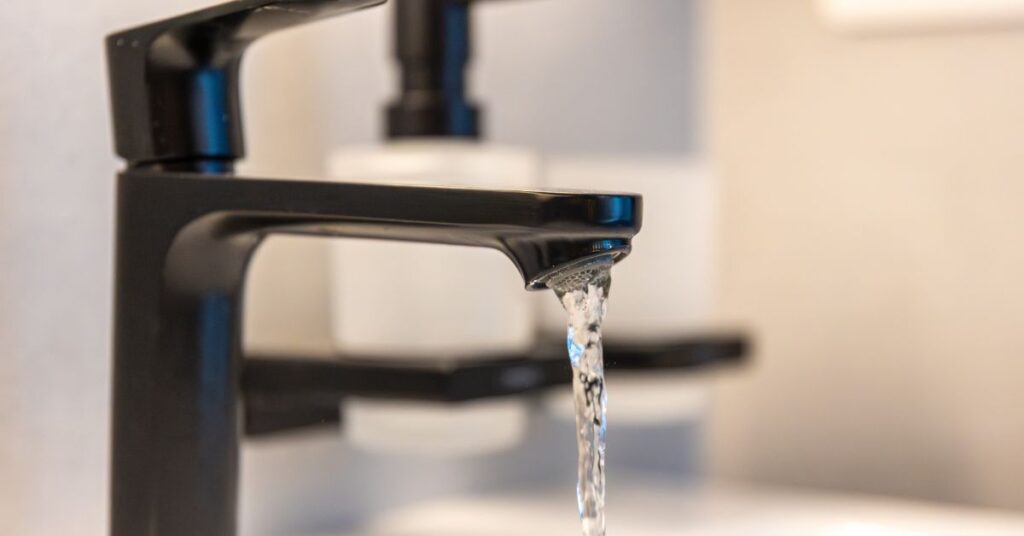
Black taps are undeniably stylish. Whether you’ve chosen a bold matte finish or a glossy sheen, they add a modern, sophisticated touch to any kitchen or bathroom. However, owning these sleek fixtures comes with one major caveat: they are magnets for white, chalky residue.
That residue is limescale, and if you live in a hard water area, it can feel like a constant battle to keep your black taps looking pristine. What makes this even trickier is that the coating on black faucets is often more delicate than the traditional chrome finish. Scrubbing too hard or using the wrong chemical cleaner can mar the surface, leaving you with permanent scratches or a patchy finish.
The good news is that you don’t need harsh chemicals to restore that spotless look. With the right approach, you can dissolve unsightly mineral deposits without damaging the finish. This guide will walk you through safe, effective, and finish-friendly methods to remove limescale from black taps and keep them looking brand new for years to come.
Contents
- 1 Why Limescale Builds Up on Black Taps
- 2 How to Identify Limescale on Black Taps
- 3 Safe Methods to Remove Limescale from Black Taps
- 4 Step-by-Step Guide to Remove Limescale on Black Taps
- 5 What NOT to Use on Black Taps
- 6 How to Prevent Limescale on Black Taps
- 7 Conclusion
- 8 Frequently Askes Questions
- 9 5. How do I stop limescale coming back on black taps?
Why Limescale Builds Up on Black Taps
Limescale is essentially a deposit of calcium carbonate left behind when hard water evaporates. While this happens on all plumbing fixtures, it is particularly noticeable on black taps. The stark contrast between the dark surface of the tap and the white, crusty mineral residue makes even a small amount of buildup look significant.
Chrome or stainless steel faucets often hide these water spots better because their silver tones blend somewhat with the mineral deposits. A black finish, however, acts like a spotlight for imperfections.
Beyond aesthetics, ignoring limescale build-up can lead to bigger problems. Over time, these minerals harden and can corrode the faucet’s components or compromise the protective coating. Regular cleaning is essential not just for looks, but to prevent the residue from eating into the finish, which could eventually lead to peeling or discoloration.
How to Identify Limescale on Black Taps
Before you start scrubbing, it is helpful to confirm that what you are seeing is indeed limescale and not just soap scum or toothpaste splatters. Here is how to identify it:
- Visual Check: Look for white, cloudy, or chalky marks. These are most common near the base of the tap where water pools, and around the aerator (the mesh bit at the end of the spout).
- Texture Test: Run your finger over the spots. Limescale feels rough, crusty, or slightly raised compared to the tap’s smooth surface.
- Inspect Key Areas: Check the joints and crevices. Limescale loves to settle in areas where water lingers.
- The Vinegar Test: If you aren’t sure, you can confirm it’s limescale by applying a tiny drop of mild vinegar on a hidden spot. If it fizzes slightly or dissolves the white marks, it’s calcium carbonate. Note: Always test on an inconspicuous area first to ensure your tap’s finish reacts safely.
Safe Methods to Remove Limescale from Black Taps
When dealing with a delicate black finish, gentleness is key. You want to dissolve the minerals chemically rather than mechanically scrub them off. Here are the safest cleaning agents to use:
- Vinegar & Water Solution: White vinegar is acidic and helps dissolve calcium deposits effectively. However, it must be diluted (usually 50/50 with water) to avoid being too harsh on the coating.
- Lemon Juice: Similar to vinegar, the citric acid in lemon juice can break down mild buildup. It also leaves a pleasant scent, unlike the strong vinegar odor.
- Baking Soda Paste: For specific, stubborn spots, baking soda acts as a very mild abrasive. When mixed with water into a paste, it can help lift stains without the risks associated with scouring pads.
- Specialized Cleaners: Commercial limescale removers are specifically designed for black or matte finishes. If you buy a store-bought cleaner, check the label rigorously to ensure it is non-abrasive and safe for coated metals.
Step-by-Step Guide to Remove Limescale on Black Taps
Ready to clean black taps without causing damage? Follow this simple routine.
Step 1: Mix a Mild Solution
Create a mixture of 50% warm water and 50% white vinegar. Never use straight vinegar, especially on matte-black taps, as the high acidity can sometimes damage the finish if left on too long. Alternatively, you can mix lemon juice with water.
Step 2: Soak the Area
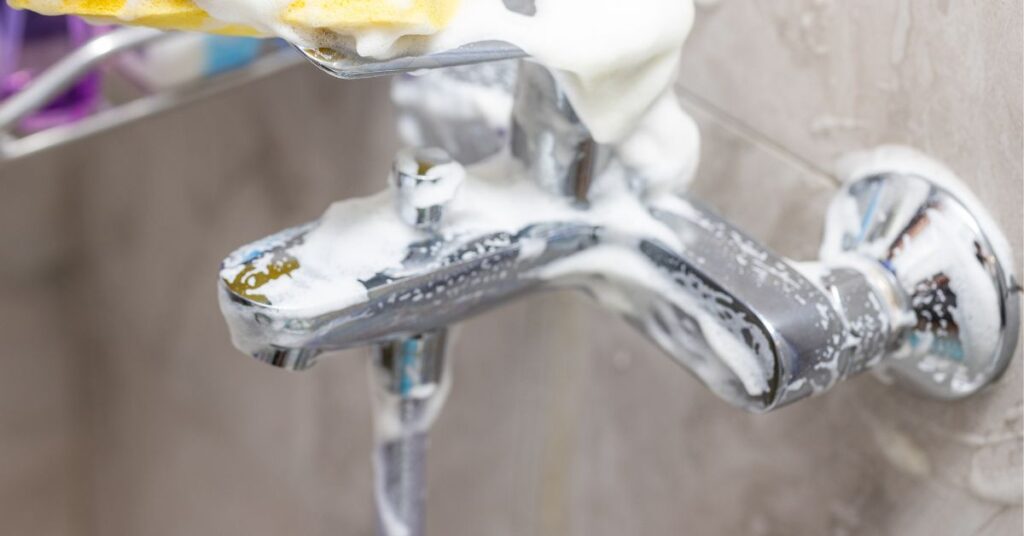
Dip a soft cloth or a microfiber cloth into your solution. You want the cloth wet but not dripping. Wrap the damp cloth around the tap, covering the areas with limescale deposits. If the buildup is on the aerator (the spout tip), you can fill a small plastic bag with the solution and tie it around the spout with a rubber band so the tip is submerged. Let it soak for 10 to 15 minutes. This dwell time allows the acid to dissolve limescale without you needing to scrub.
Step 3: Wipe Gently
Remove the cloth and wipe the surface. The white deposits should wipe away easily. For tight spaces, like the base of the faucet handles, you can use a soft toothbrush (dipped in soapy water or vinegar) to gently agitate the grime. Do not scrub aggressively.
Step 4: Rinse Thoroughly
Once the limescale is gone, rinse thoroughly with clean water to remove any acidic residue. Leaving vinegar or lemon juice on the surface can eventually degrade the coating.
Step 5: Dry Immediately
This is the most crucial step for maintaining a sleek appearance. Take a dry, clean microfiber cloth and buff the fixture completely dry. Leaving it to air dry will only invite new water spots to form immediately.
What NOT to Use on Black Taps
Knowing what to avoid is just as important as knowing how to clean. Many standard bathroom cleaning habits can ruin black faucets.
- Avoid Abrasive Tools: Never use steel wool, scouring pads, or hard brushes. These will instantly scratch the surface, removing the matte or glossy coating and exposing the brass or metal underneath.
- Skip Harsh Chemicals: Do not use bleach, ammonia-based cleansers, or undiluted highly acidic cleaners. These can cause chemical burns on the finish, leading to discolored patches.
- Limit Soaking Time: While soaking helps dissolve stubborn buildup, avoid leaving cleaning solutions (even vinegar) on the surface for hours. Prolonged exposure to acid can soften the coating.
- No Scouring Powders: Never use abrasive powders. Even if they claim to be “scratch-free” for ceramic, they are often too harsh for the delicate finish of a black tap.
How to Prevent Limescale on Black Taps
The best way to handle limescale is to stop it from settling in the first place. Incorporating these preventive measures into your routine will make deep cleaning much rarer.
- Wipe Dry Daily: Get into the habit of wiping your taps dry with a soft cloth after each use, or at least at the end of the day. Removing the water before it evaporates prevents minerals from being left behind.
- Weekly Maintenance: Clean weekly with mild dish soap and warm water. A simple solution of soapy water is usually enough to keep the finish spotless if done regularly.
- Address Hard Water: If you live in an area with very hard water, consider installing a whole-home water softener. Alternatively, frequently cleaning or replacing the aerator filter can reduce the amount of grit coming through the spout.
- Protective Wax: Some manufacturers recommend applying a specialized protective coating or carnauba wax designed for fixtures. This creates a barrier that causes water to bead up and roll off rather than sit on the surface.

Conclusion
Limescale on black taps can be frustrating, turning a beautiful design feature into a cleaning headache. However, understanding why limescale forms and why black taps need gentle care changes the game. You don’t need expensive chemicals to maintain that sleek look; often, a simple mix of vinegar or lemon juice and a soft sponge is all it takes.
By avoiding abrasive tools and adopting a routine of drying your faucets after use, you can prevent permanent damage and keep your black finish looking sophisticated. Remember, the goal is to dissolve the deposits without attacking the coating. With these safe, streak-free methods, you can effectively remove limescale from black taps and enjoy their modern elegance for the long haul.
Frequently Askes Questions
1. How do you remove limescale from black taps without damaging them?
To remove limescale without damage, use a diluted solution of 50% white vinegar and 50% water. Soak a soft cloth in the mixture, wrap it around the deposit for 15 minutes, then wipe clean and dry immediately. Never use scouring pads or harsh chemicals.
2. Is vinegar safe for black bathroom taps?
Yes, but only if diluted. Pure vinegar can be too acidic and might damage the finish over time. Always mix it with water to safely remove limescale, then rinse the area thoroughly afterward.
3. Why do black taps show limescale more than chrome?
Black taps show limescale more clearly due to the high contrast. The white calcium deposits stand out sharply against the dark background, whereas they blend in more easily with the silver tones of chrome or brushed nickel.
4. Can baking soda scratch black taps?
Baking soda is a mild abrasive. While it is generally safer than chemical scouring powders, you should use it with caution. Mix it into a wet paste and rub gently with a soft cloth rather than scrubbing hard, which could dull a matte finish or create fine scratches on a glossy one.
5. How do I stop limescale coming back on black taps?
To stop limescale from returning, wipe the taps dry with a microfiber cloth after every use. Regular cleaning with mild soap and applying a protective wax coating can also help repel water and prevent mineral buildup.
As an Amazon A ssociate, I earn from Qualifying purchases.