As an Amazon A ssociate, I earn from Qualifying purchases.
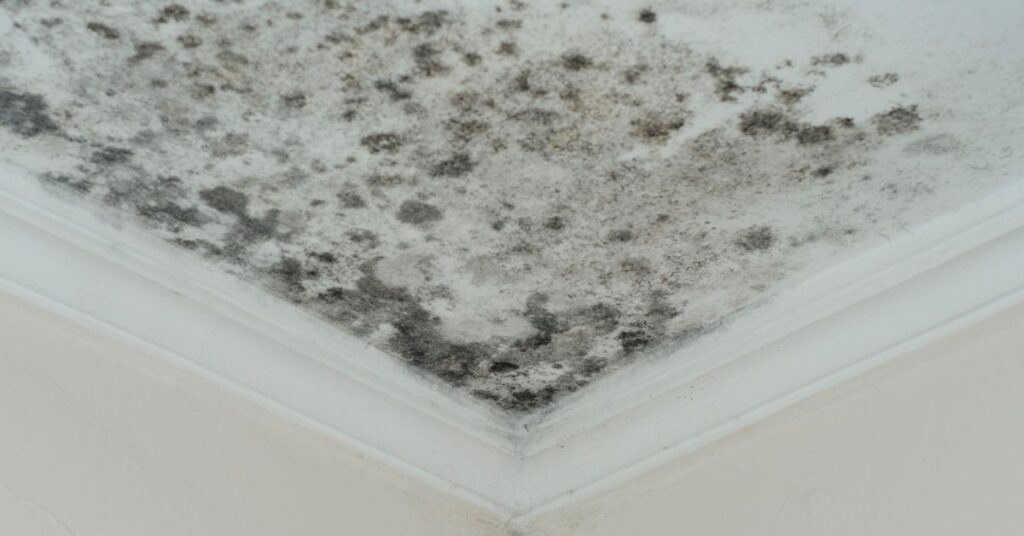
Noticing dark, fuzzy spots above your shower is always unpleasant, and mold on bathroom ceiling surfaces is a common problem in many homes. Bathrooms are warm and damp, which makes them perfect for mold to grow.
Leaving these spots alone is not just a cosmetic issue. Mold can cause health problems like allergies or asthma, and it can also damage paint and drywall. The good news is that for most small outbreaks, you do not need to hire expensive professionals. You can safely and effectively remove mold with everyday household items.
This guide will show you how to clean your ceiling, which products work best, and most importantly, how to keep mold from coming back.
Contents
Why Mold Grows on Bathroom Ceilings
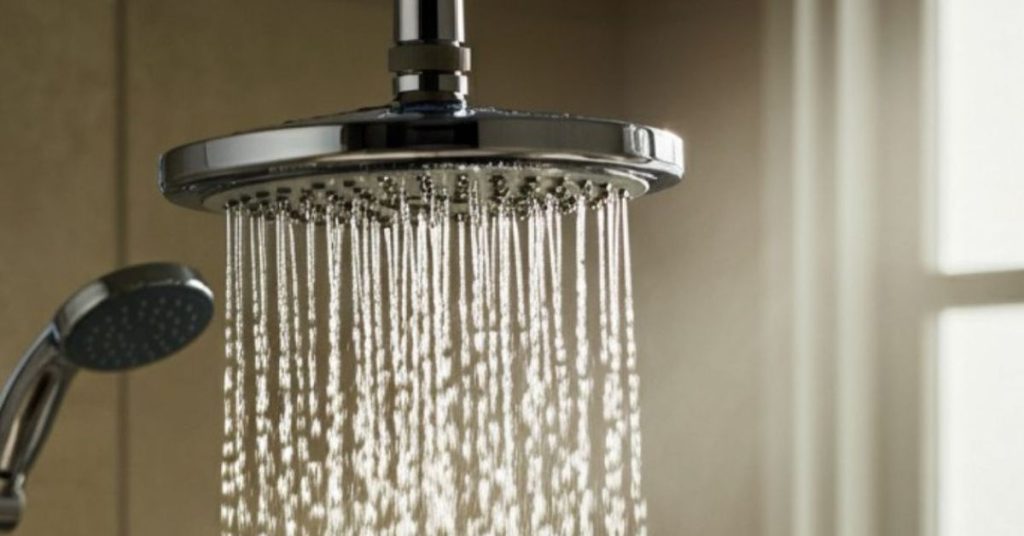
Knowing why mold grows can help you get rid of it. Bathrooms are damp and lack adequate ventilation, allowing steam to settle on cool surfaces.
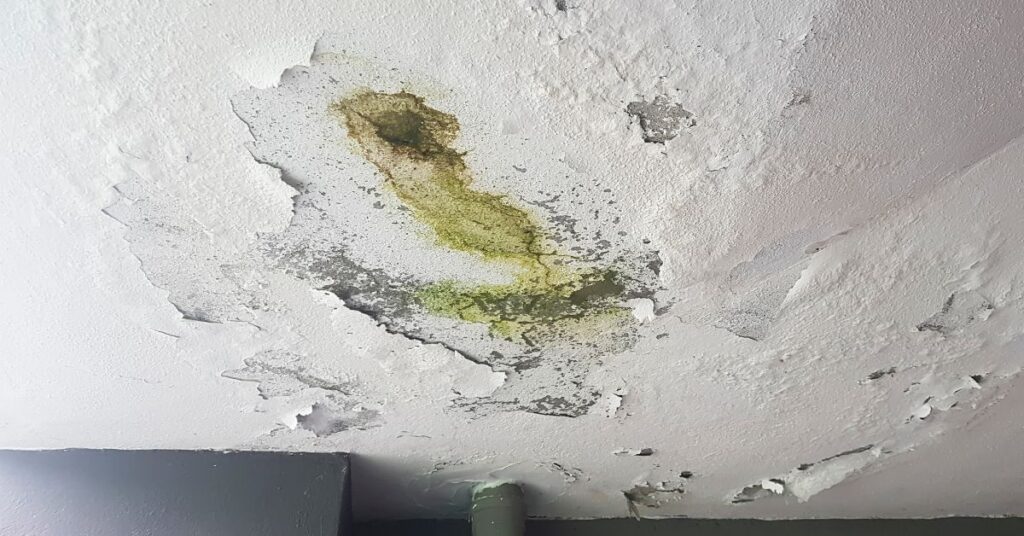
Because heat rises, the ceiling gets most of the condensation. Over time, this moisture can soak into drywall or plaster, allowing mold to grow. Mold often appears in corners, above the shower, and near exhaust fans. Try to catch mold early. A few black spots can quickly turn into a bigger problem, spreading to walls and even the structure of your home. Acting fast protects your health and your home.
How to Get Rid of Mold on a Bathroom Ceiling | Step-by-Step Guide
Be careful when removing mold from your ceiling. You want to get rid of the fungus without harming the surface or breathing in dangerous particles. Follow these steps to clean up safely.
Step 1: Gear Up for Safety
Before you start, make sure to protect yourself. Cleaning mold can release spores, so wear gloves that do not let anything through, safety goggles, and an N95 mask to keep from breathing in spores or irritating your skin.
Step 2: Ventilate the room.
Open the windows or turn on your bathroom fan to get air moving. This helps clear out fumes and dries the area while you clean.
Step 3: Choose Your Cleaning Solution
Pick a cleaner that matches the severity of the mold and the material your ceiling is made of. For most surface molds, white vinegar works well and is natural. For tougher stains, you may need a store-bought mold remover or a hydrogen peroxide solution. We will share exact recipes in the next section.
Step 4: Apply the Solution
Spray your chosen cleaner onto the mold. If your ceiling is textured, do not use too much liquid, as this could cause damage.
Let the cleaner sit for 10 to 20 minutes. This helps kill the mold deep inside, not just clean the surface.
Gently scrub the moldy spots with a soft brush or sponge. Do not use rough tools, since they can damage the paint on your ceiling.
Step 7: Rinse and Dry
Wipe away any leftover cleaner with a damp cloth. Then dry the area well with a towel or a dehumidifier.
Best Cleaners for Removing Bathroom Ceiling Mold
You do not always need harsh chemicals. Common kitchen items can also clean mold.
Natural Options
- White Vinegar: Kills about 82% of mold species. Use undiluted vinegar in a spray bottle.
- Hydrogen Peroxide: A 3% solution is a safe alternative to bleach. It bubbles and helps lift mold off the surface.1/4 tablespoon in water. The mild alkaline helps prevent mold growth.
Commercial and Chemical Options
- Commercial Sprays: You can find many bathroom mold cleaners at hardware stores. They work fast to remove stains but often have strong chemicals. Bleach mainly kills surface mold on drywall. Mix one part bleach with three parts water if used.
Safety: Never mix chemicals, especially bleach with vinegar or ammonia, because this can create toxic fumes.
How to Remove Mold from Different Ceiling Types
The way you clean mold depends on what your ceiling is made of.
- Painted Ceilings: Most bathroom ceilings have semi-gloss or satin paint that resists moisture. You can usually use vinegar or a mild detergent with Drywall Ceilings: Unfinished or porous drywall needs extra care. Use as little water as possible. Lightly mist the area rather than soaking it, and dry it right after cleaning to prevent the paper from bubbling.
- Textured Ceilings (Popcorn Ceilings): These are delicate, so do not scrub them. Spray on a cleaner and gently dab with a soft sponge. If the mold goes deep, you may need to scrape and reapply the texture.
- Ceiling Cladding: If your ceiling has plastic or PVC cladding, you can scrub more firmly because these materials are waterproof and strong.
How to Prevent Mold from Coming Back
Once you have eliminated mold, the goal is to keep it away permanently. To prevent mold from returning, keep humidity levels low, fix leaks promptly, and ensure proper ventilation.
- Ventilate: Use exhaust fans while you shower and for a while afterward. If you do not have a fan, open a window.
- Keep humidity below 50 percent by using a dehumidifier.
- Wipe walls and ceilings dry after showers if condensation appears.
- When you redecorate, pick mold-resistant paint. These paints have special properties that help stop mold from growing on your ceiling.
- Clean your bathroom once a month with a mild vinegar solution to prevent mold before it starts.
Conclusion
Ceiling mold is a common issue. By using safe cleaners and following careful steps, you can make your bathroom clean again.
But getting rid of mold is only part of the solution. To keep it from coming back, you need to fix the main problem: moisture. Make sure your home is well ventilated, use a bathroom fan, and keep up with regular maintenance. This will help your home stay healthy and mold-free.
Frequently Asked Questions
1. What causes mold on bathroom ceilings?
Mold grows in environments with high moisture and poor ventilation. When steam reaches an incredible level, it condenses into water, which helps mold spores thrive.
2. Is vinegar effective for killing ceiling mold?
Yes, white vinegar works very well. It soaks into surfaces to kill mold at the roots and removes about 82 percent of mold types. It also helps stop mold from coming back.
3. Can I remove mold?
Yes, you can. In fact, bleach does not work as well on porous surfaces like drywall. Natural options like vinegar, hydrogen peroxide, and baking soda are safer and often work better at killing mold deep inside the fungus.
4. Is ceiling mold dangerous?
Yes, if you do not treat mold, it can cause breathing problems and allergies. Black mold should be removed right away. ate removal.
5. How do I stop mold from coming back?
To stop mold for good, you need to control moisture. Make your bathroom more ventilated, fix leaks, use exhaust fans, and keep humidity low. Cleaning regularly with antifungal solutions also helps. Also helps.
As an Amazon A ssociate, I earn from Qualifying purchases.