As an Amazon A ssociate, I earn from Qualifying purchases.
There are few things worse than stepping into your sanctuary for a relaxing hot shower, only to be greeted by a foul odor that makes your nose wrinkle. When your bathroom smell like sewage, frame it as more than just a nuisance—highlight that it may signal underlying plumbing issues that require attention.
Often, the smell of sewage or rotten eggs indicates that sewer gas is leaking into your home. This unpleasant smell can stem from various culprits, ranging from a simple dried-out P-trap in a guest bathroom to a more complex issue like a broken wax ring around your toilet or a blocked sewer vent. While the scent is alarming, the fix is often more straightforward than you might fear.
In this guide, we will walk you through the common causes of sewer gas smells, provide a step-by-step diagnostic guide, and offer actionable fixes to help you eliminate sewer odors for good.

Contents
Why Sewer Gas Smells Occur in the Bathroom
Your home’s plumbing system actively carries waste away and prevents dangerous, smelly gases from creeping back up the pipes. When you notice a sewer smell in your bathroom, it usually means a barrier in that system has failed.
Sewer gases are byproducts of the breakdown of organic waste. To prevent sewer gases from entering your living space, your plumbing relies on water seals (traps) and ventilation pipes. If a P-trap dries out, a toilet seal degrades, or a vent becomes clogged, these gases can escape into your bathroom.
Familiar sources where you might detect these odors include:
- Shower drains: Hair and soap scum buildup can trap bacteria, or the trap may be dry.
- Floor drains: Often located in laundry areas or basements, these frequently dry out from lack of use.
- Sink drains: A dry P-trap under the bathroom sink is a prevalent cause.
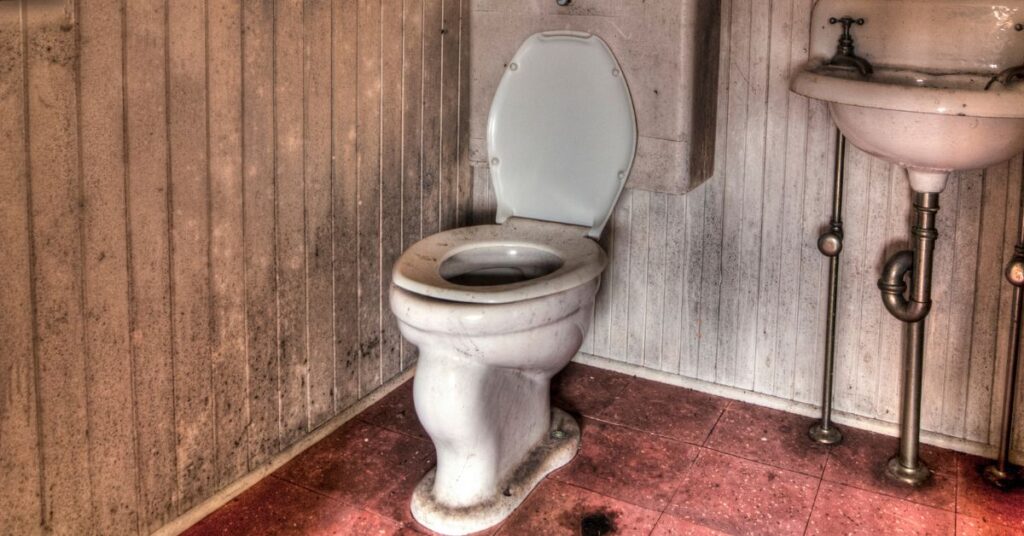
- Toilet base: A failed wax ring can allow gas to seep out from the sewer line.
- Vent pipes: If the stack on your roof is blocked, pressure builds up, forcing gas through the traps.
Identifying the specific location is crucial. If you can pinpoint where the smell is coming from, you can apply the correct fix rather than guessing.
How to Identify the Source of Sewer Gas (Step-by-Step Guide)
Before calling a professional to inspect your sewer line, try these diagnostic steps to locate the source of the smell in the bathroom.
Step 1: Check for a Dry P-Trap
The P-trap is the U-shaped pipe under your sink or shower drain. It holds a small amount of water that acts as a barrier that prevents sewer gases from rising out of the drain. In a rarely used guest bathroom or a basement shower, this water can evaporate. If the trap is dry, nothing prevents sewer gas from entering your home.
Step 2: Inspect the Toilet Wax Ring
If the smell is most pungent around your toilet, the wax ring sealing the toilet to the floor flange might be compromised. Check for water pooling at the base or see if the toilet rocks when you sit on it. A broken seal is a common cause of sewage smells.
Step 3: Look for Slow Drains
Slow-draining water in the sink or tub can indicate a partial clog. Organic matter decomposing in the pipes can create a sulfurous, rotten-egg smell that mimics deep-sewer gas.
Step 4: The Smell Test
Cover drains one at a time with heavy plastic or a wet rag. Leave them covered for a few hours or overnight. If the bathroom smell disappears, uncover them one by one to see which drain releases the odor.
Step 5: Professional Inspection
If the smell persists despite your efforts, you may need a plumber to perform a smoke test or use a sewer camera. This technology allows them to look deep into the sewer line and determine if there is a crack or a severe blockage in the main sewer.

Best Fixes for Eliminating Sewer Gas Smells
Once you have identified the source, you can move on to repairs. Here are the best ways to stop sewer smells based on the issue.
Simple DIY Fixes
- Run the Water: If a dry P-trap is causing the odor, run water in the sink, shower, or floor drain for a minute to refill the trap and restore the water barrier.
- Clean the Drains: Remove the drain cover and clean out hair and soap buildup. Pouring hot water mixed with DIY solutions like baking soda and vinegar can help break down odor-causing sludge in the plumbing.
- Tighten Cleanout Plugs: Sometimes, the threaded plug inside a floor drain or cleanout is loose, allowing sewer gases to escape. A quick turn with a wrench can fix this.
Plumbing Fixes
- Replace the P-trap: A leaking or corroded P-trap under your bathroom sink cannot hold water. Replacing it is usually a simple repair.
- Reinstall the Toilet: When the toilet seal breaks, lift the toilet and install a new wax ring to stop sewer gases from escaping at the base.
- Clear Vent Blockages: If leaves or bird nests clog your roof vent, clear them promptly. Professionals with the right equipment can safely access the roof and remove the blockage.
What to Avoid
Avoid using harsh chemical drain cleaners as a quick fix, as they can damage your pipes and mask the real problem. These can corrode older pipes and rarely solve the root cause of sewer gas.
How to Treat Different Severity Levels of Sewer Odors
Not all smells require a major plumbing overhaul. Here is how to tackle the issue based on severity.
Mild Odors
If you catch a faint whiff of sewage now and then, it is likely a dry trap or a minor buildup.
- Action: Refill P-traps by running water in every faucet and shower.
- Action: Use an enzymatic cleaner to eat away organic residue in the shower drain without damaging pipes.
Moderate Odors
If the smell is distinct and occurs frequently, you likely have a loose-fitting or a partial clog.
- Action: Check under the sink for leaks.
- Action: Deep-clean the sink overflow holes to prevent bacteria from trapping.
- Action: Snake the drain to remove deep hair clogs that might be trapping foul odor pockets.
Severe Odors
A persistent, heavy sewage smell in your bathroom that spreads into the hallway usually indicates a system breach.
- Action: Check whether the toilet shifts or wobbles; if it does, replace the wax ring as soon as possible to stop sewer gases from escaping.
- Action: Listen for gurgling sounds when you flush; this indicates a blocked sewer vent or a main sewer line issue.
- Action: Call a plumber for sewer repairs if you suspect a cracked pipe inside the walls.

How to Prevent Sewer Gas Smells From Returning
Prevention is always easier than the cure. To keep your home fresh and prevent sewer gases from entering in the future, follow these maintenance tips.
- Water Maintenance: Run water weekly in guest bathrooms or laundry room floor drains to keep traps full.
- Regular Cleaning: Clean bathroom drains regularly to prevent organic buildup. A monthly hot-water-and-vinegar flush works wonders.
- Check Vents: From the ground, inspect your roof vent pipes to make sure leaves or debris aren’t blocking airflow.
- Toilet Care: Firmly seal your toilets. If a bathroom feels loose, tighten the bolts or replace the wax ring to prevent leaks.
- Professional Help: Schedule annual plumbing inspections, especially in older homes, to catch degrading sewer pipes before they fail.
Conclusion
Waking up to a bathroom that smells like sewage is never pleasant, but it is usually a solvable problem. Whether the culprit is a dry P-trap, a degraded toilet wax ring, or a blocked vent, identifying the source is the most crucial step. By understanding how your plumbing system works and applying these fixes, you can eliminate sewer odors and keep your bathroom clean and comfortable.
If the odor continues or you suspect a break in the main sewer line, contact a professional plumber to prevent further damage. Catching a sewer gas leak early protects your home and your health.
Frequently Asked Questions
What causes sewer gas smells in the bathroom?
A dry P-trap, a broken toilet wax ring, clogged vent pipes, or drain buildup are usually the cause of a sewer smell in your bathroom. These issues allow sewer gases to escape the plumbing system and enter your home.
Can a dry P-trap make my bathroom smell like sewage?
Yes, a dry P-trap is the most common cause of sewer odors. The water in the trap acts as a barrier, preventing sewer gases from rising. If it evaporates, the gas flows freely into the room.
Does a faulty toilet wax ring cause sewer odor?
Absolutely. The wax ring seals the connection between the toilet and the sewer pipe. If it fails, gas leaks out from the base. If you smell sewage around your toilet, this is likely the issue.
How do I fix sewer gas coming from a shower or floor drain?
Start by pouring water down the drain to refill the trap. If the smell persists, clean the drain thoroughly to remove hair, soap scum, and other buildup. For persistent odors, check for a clogged vent or a loose cleanout plug.
How can I prevent sewer smells from coming back?
To prevent sewer gases, run water in unused drains weekly, clean drains to remove organic buildup, and keep your toilet securely sealed to the floor.
As an Amazon A ssociate, I earn from Qualifying purchases.