As an Amazon A ssociate, I earn from Qualifying purchases.
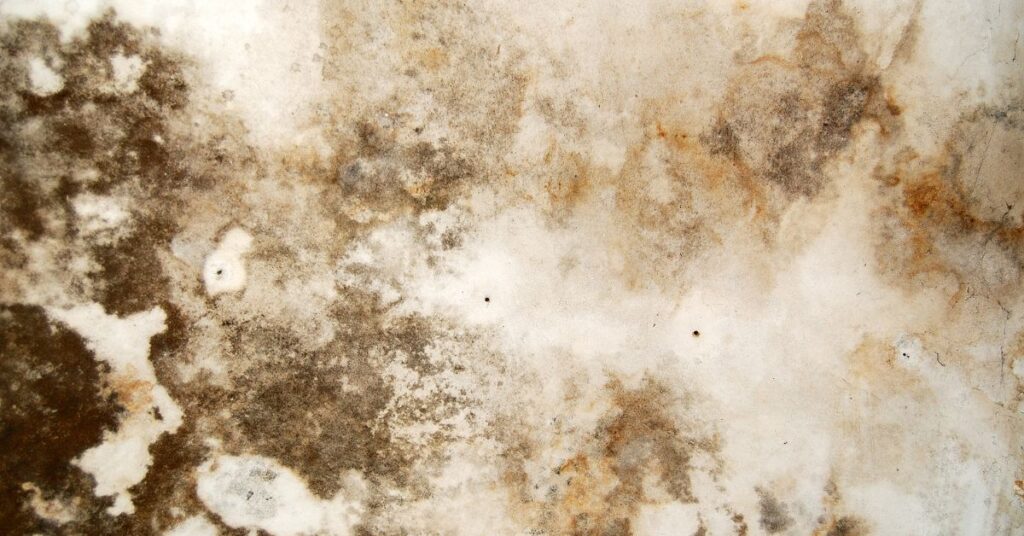
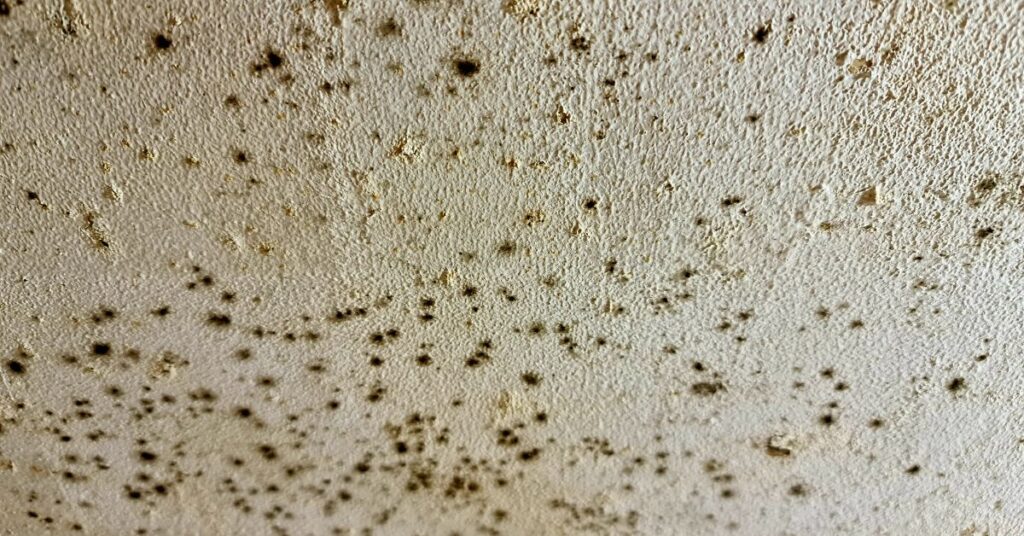
After a relaxing shower, you might look up and see dark spots spreading on the ceiling. Bathroom ceiling mold is common, looks bad, and grows easily in the damp air.
Mold is not just ugly. It can harm surfaces and cause allergies or breathing problems. If scrubbing does not keep it away, you need more than just cleaning.
This guide covers why mold grows and gives you practical ways to stop it from coming back, so your ceiling stays clean and fresh.
Contents
Why Mold Grows on Bathroom Ceilings
To stop mold, it helps to know why it grows on your bathroom ceiling. Mold needs moisture, warmth, and things like drywall or dust to grow. Bathrooms have plenty of all three.
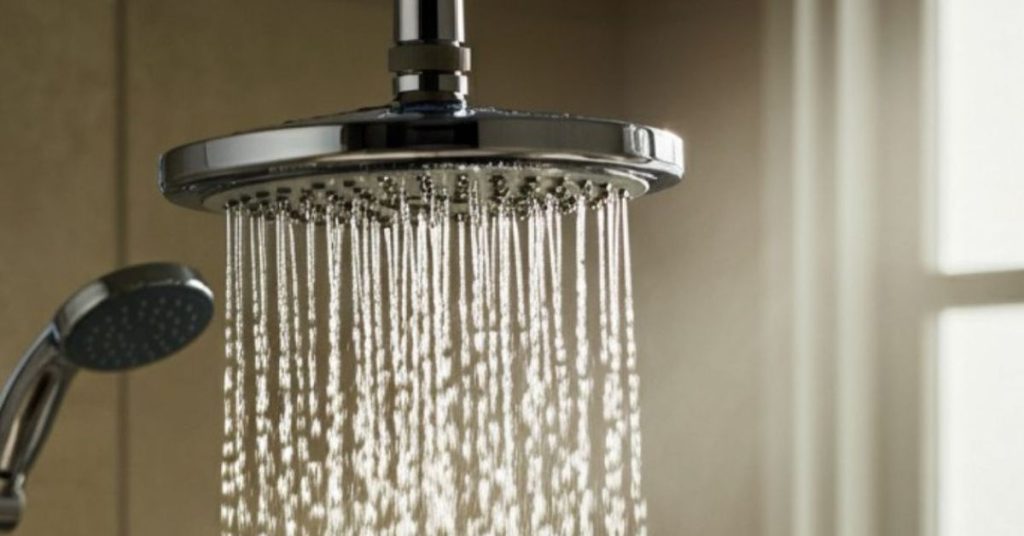
Hot showers create steam. Without an escape route, this steam condenses on the ceiling, soaking porous materials and allowing mold to take hold.
Several factors contribute to this:
- Excess Moisture and Humidity: High humidity levels linger long after you’ve toweled off.
- Poor Ventilation: Without proper airflow, moisture stays trapped in the room.
- Leaks: Sometimes the culprit isn’t the shower, but a hidden leak from the roof or pipes above.
- Wrong Paint Type: Standard flat paint is porous and absorbs water, making it easy for mold to grow.
Knowing what causes mold is the first step to keeping your bathroom mold-free.
How To Prevent Mold on Bathroom Ceiling | Step-by-Step Guide
To stop mold, you need to act early. If you control moisture and take care of your bathroom, you can cut down on mold.
Step 1: Improve Ventilation
Good ventilation is key. If you have an exhaust fan, make sure it works well. If not, open a window during your shower to let air move out. The main goal is to get moist air outside before it settles.
Step 2: Reduce Humidity
Keep humidity low. Run the fan while you shower and for a while after. If you do not have a fan, use a small portable fan to help move air out. Mold has a harder time growing when the air is dry.
Step 3: Wipe Condensation Immediately
Wipe the ceiling after a shower. Use a squeegee or towel to remove water before it soaks in.
Step 4: Fix Leaks Immediately
If you see water stains but have not used much hot water, you might have a leak. Check the roof or pipes above. Even a small drip keeps things damp and helps mold grow. Fix leaks as soon as you spot water damage.
Step 5: Apply Mold-Resistant Paint
If repainting, choose mold-resistant paint for humid areas. If you plan to repaint, pick mold-resistant paint for damp areas. These paints have special ingredients that help stop mold from growing on the surface.
The right tools and materials can make it much easier to keep your bathroom clean instead of always scrubbing away mold.
- Choose products made for bathrooms. Some primers seal the surface and create a mildew-proof layer. Use a primer for wet areas before you paint the final coat.
- Anti-mold sprays, like Concrobium, create a barrier that kills mold spores as they dry. They are a good way to protect surfaces after cleaning.
- Dehumidifiers can help if your bathroom does not have windows or a strong fan. They pull moisture from the air and help the room dry faster.
- Do not use flat white ceiling paint because it soaks up moisture. Also, skip oil-based paints unless the surface is well-prepared, since trapped moisture can cause mold.
Every bathroom is different. Here is how to tailor your strategy:
High-Humidity Bathrooms
If your bathroom stays steamy after a shower, you need to control moisture better. Use a strong exhaust fan and a dehumidifier to lower humidity. Leave the bathroom door open after you finish to let dry air from the rest of the house in.
Poorly Ventilated Bathrooms
If your bathroom has no fan or window, it is hard to get air moving. Keep the door open and use a portable fan to help air flow. Wipe the ceiling often.
Older Bathrooms
Older homes may have old paint and damaged drywall or grout. Check for cracks where water can get in. If the ceiling paint is peeling, scrape it off, use a mold-killing primer, and repaint with semi-gloss or satin paint, which keeps out moisture better than flat paint.
Rental Bathrooms
If you rent, focus on good habits. Wipe away condensation, use portable moisture absorbers, and clean the ceiling each month with vinegar or a gentle cleaner.
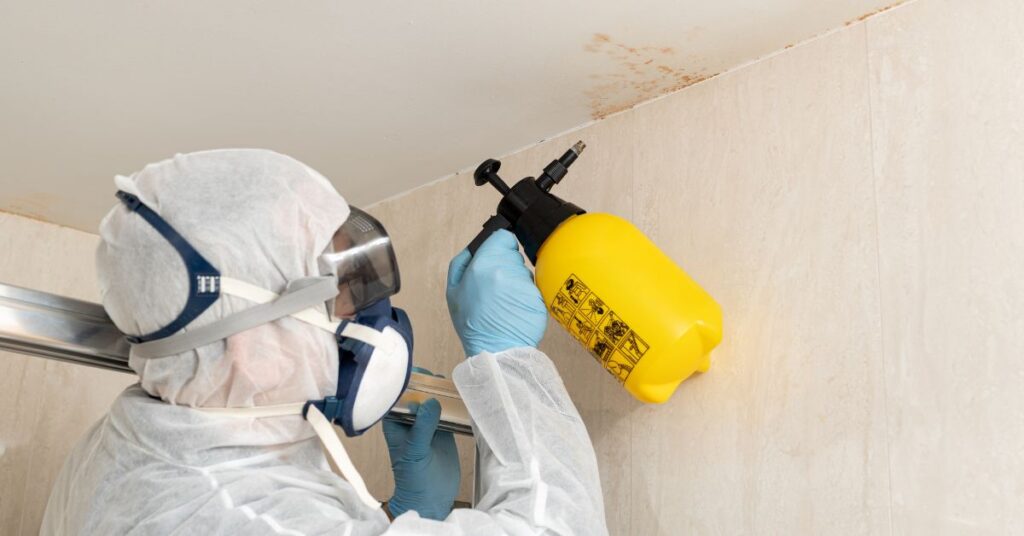
Daily & Weekly Habits That Stop Mold Growth
Being consistent is the best way to stop mold. Try adding these habits to your routine:
- Ventilation tip: Run the exhaust fan for 20 to 30 minutes after your shower. This helps remove leftover steam.
- Airflow: Leave the bathroom door open when you are not using it. This stops moisture from getting trapped.
- Regular cleaning: Wipe the ceiling every month. Use a mix of white vinegar and water to kill mold naturally. For tough spots, use diluted bleach and wear gloves and protection. Vinegar works best on porous surfaces.
- Manage linens: Do not hang wet towels in a small bathroom because they add moisture to the air.
- Check and wash your shower curtain liner often. Mold on the liner can send spores up to the ceiling.
To prevent ceiling mold, focus on controlling moisture. You cannot get rid of all mold spores, but you can make your bathroom less friendly to mold. Pay attention to ventilation, moisture control, and use mold-resistant paint to avoid endless cleaning and repainting. Take action by fixing the fan, using a squeegee, or repainting with the right primer for a cleaner bathroom.
Frequently Asked Questions
1. Why does mold keep coming back on my bathroom ceiling?
If mold comes back fast, the moisture problem is not fixed. It could be due to poor ventilation, a hidden leak above the ceiling, or mold deep in the drywall that cleaning cannot reach.
2. Does mold-resistant paint really stop mold?
It helps, but it is not a cure-all. Mold-resistant paint has ingredients that slow mold growth, but high humidity or leaks can still cause problems.
3. How long should you run the bathroom fan after a shower?
Run it for at least 20 to 30 minutes so moisture can leave the room.
4. Can a dehumidifier prevent ceiling mold?
A dehumidifier lowers humidity, making it harder for mold to grow, especially in bathrooms without windows or with high humidity.
5. Is black mold on the ceiling dangerous?
Not all black mold is toxic, but many types can cause allergies or irritation. Always take mold seriously and remove it as soon as you see it.
As an Amazon A ssociate, I earn from Qualifying purchases.