As an Amazon A ssociate, I earn from Qualifying purchases.
There is nothing quite as jarring as stepping into your bathroom for a relaxing rinse, only to be hit by a wave of foul odor. You expect the fresh scent of soap and shampoo, but instead, your nose wrinkles at something that smells distinctly like sulfur. If you are wondering, “Why does my shower drain smell like rotten eggs?” you are certainly not alone.
This unpleasant scent is a common household nuisance, but it doesn’t mean your bathroom is dirty. That distinct rotten-egg odor usually indicates the presence of hydrogen sulfide gas. This gas typically originates from bacterial buildup in the pipes, decaying organic matter like hair and soap scum, or issues with your sewer connection.
Fortunately, you don’t have to live with a stinky shower drain. In most cases, you can banish the smell using simple household supplies. This guide will help you find the cause, fix the problem, and prevent that awful odor from ruining your morning routine.
Contents
- 1 Why Shower Drains Smell Like Rotten Eggs
- 2 How to Remove Rotten Egg Smell from Shower Drain (Step-by-Step Guide)
- 3 Best Cleaners for Removing Drain Odors
- 4 How to Remove Rotten Egg Smell from Different Drain Types
- 5 How to Prevent Shower Drain Smells from Coming Back
- 6 Conclusion
- 7 Frequently Asked Questions (FAQs)
Why Shower Drains Smell Like Rotten Eggs
Understanding what causes that rotten egg smell is the first step toward fixing it. While it might seem like the smell comes from deep within the sewer, the source is often much closer to the surface.
Biofilm and Bacterial Buildup
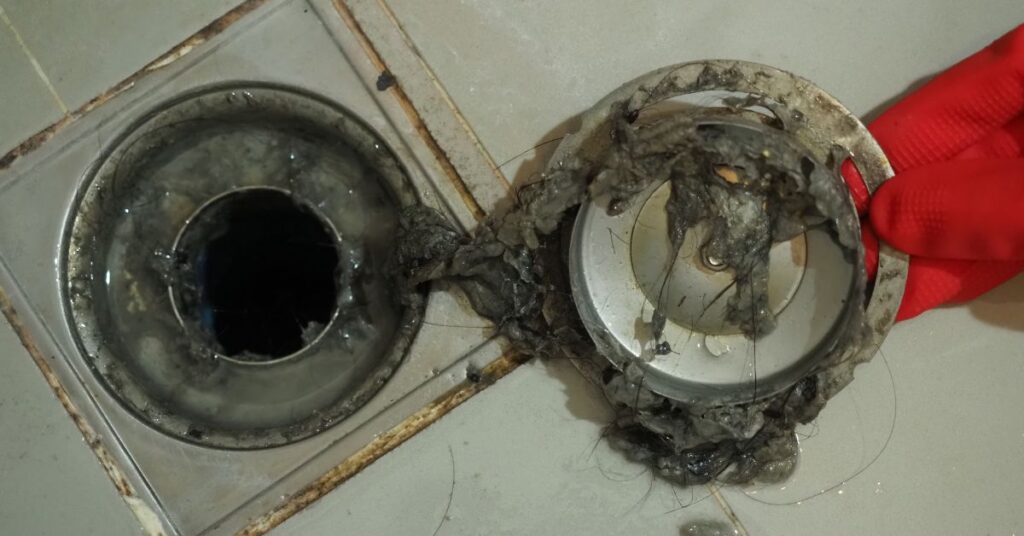
The most common cause of a smelly shower drain is biofilm. When you shower, you wash away soap, shampoo, body oils, and skin cells. Over time, this debris accumulates inside the drainpipes and forms a sticky, slime-like layer known as biofilm.
Bacteria feed on this organic muck. As they break down the debris, they release sticky, foul-smelling gases. This bacterial growth is often responsible for the sharp, rotten-egg odor wafting up from the drain cover.
The P-Trap is Dry
Underneath your shower drain, there is a U-shaped pipe called a P-trap. Its job is to hold a small amount of water, creating a seal that blocks sewer gases from rising into your home through the plumbing system.
If a shower hasn’t been used in a while—like in a guest bathroom—the water in the trap can evaporate. Without this water barrier, there is nothing preventing sewer gases from escaping directly into your bathroom. If you smell sewage or sulfur, a dry P-trap is a likely culprit.
Clogs and Stagnant Water
Hair and soap scum are notorious for creating clogs. Even a partial clog can slow down water flow, creating a pool of stagnant water inside your shower drain. This standing water becomes a breeding ground for bacteria, intensifying the smell in the drain.
Plumbing Issues
Sometimes, the issue is structural. A cracked or broken P-trap, or a damaged vent pipe, can allow sewer gas to leak into your walls or the bathroom. If you have cleaned the drain thoroughly and the smell persists, you might have a more serious plumbing issue that requires a plumber.
Water Heater Issues
Occasionally, the smell isn’t coming from the drain buildup but from the water itself. If the smell occurs only when you run hot water, bacteria might be reacting with the magnesium anode rod in your water heater to produce hydrogen sulfide gas.
How to Remove Rotten Egg Smell from Shower Drain (Step-by-Step Guide)
If your shower drain smells like rotten eggs, you don’t necessarily need harsh chemicals to fix it. A simple DIY cleaning method using baking soda and vinegar is highly effective against biofilm and mild clogs.
Step 1: Gather Your Supplies
You likely have everything you need in your pantry. Grab some baking soda, white distilled vinegar, a pot of boiling water, and a drain brush or old sponge.
Step 2: Clear Visible Debris
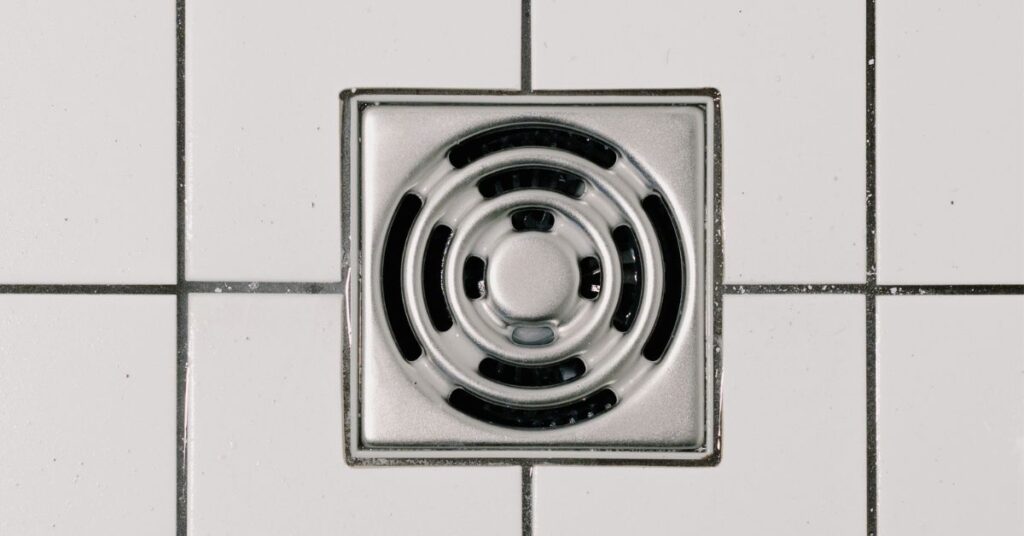
Remove the drain cover. Use a screwdriver if necessary. Pull out any visible hair, soap scum, or gunk trapped at the surface. This buildup is often the primary source of the smell, like sulfur or rotten eggs.
Step 3: The Baking Soda and Vinegar Method
Pour half a cup of baking soda directly down the drain. Follow it immediately with half a cup of white vinegar. The mixture will fizz and bubble aggressively. This chemical reaction helps break down the biofilm and bacteria in the drain.
Step 4: Let it Sit
Cover the drain with a plug or a wet rag to contain the reaction within the pipes. Let the mixture sit for 15 to 20 minutes so the solution has time to break down the grime causing the odor.
Step 5: Flush with Hot Water
After 20 minutes, uncover the drain and pour a pot of boiling water down to flush away the loosened biofilm and vinegar mixture. Afterward, please turn on the hot water and let it flow for a minute to clear any leftover residue.
Step 6: Ventilate and Dry
Open a window or run the bathroom fan to air out any lingering vinegar scent. Your shower drain smell should be gone.
Best Cleaners for Removing Drain Odors
When it comes to shower drain maintenance, choosing the right cleaner matters.
Natural Options
The baking soda and vinegar combination is a classic for a reason. It is safe for almost all plumbing and effective at neutralizing odors. If the smell is minor, a simple lemon juice rinse can also freshen up the drain.
Commercial Options
If natural methods don’t work, look for an enzyme drain cleaner. Unlike chemical openers that burn through clogs, enzyme cleaners use biological cultures to break down organic matter, such as hair and soap scum. They are highly effective at eliminating the biofilm that causes a smelly shower drain without damaging your pipes.
What to Avoid
Avoid using harsh chemical drain cleaners (like bleach or sulfuric acid) if you can help it. These can corrode older metal pipes and release toxic fumes. Furthermore, mixing bleach with other household cleaners can be dangerous.
How to Remove Rotten Egg Smell from Different Drain Types
Different plumbing setups may require slightly different approaches to fix a smelly drain.
- Standard Shower Drains: The baking soda-and-boiling-water method works best here. Using a bottle brush to scrub the inside of the pipe can also help remove sticky residue.
- PVC or Metal Pipes: PVC is generally corrosion-resistant, but metal pipes can be more prone to corrosion. If you have old metal plumbing, avoid leaving acidic vinegar in the pipes for too long, and stick to enzyme cleaners rather than harsh caustics.
- P-Traps: If the problem is a dry P-trap, the fix is straightforward. Just run the water. Pouring a gallon of water down the drain restores the barrier that prevents sewer gas from entering. If the P-trap dries out frequently, check for leaks.
How to Prevent Shower Drain Smells from Coming Back
Once you’ve fixed a smelly shower drain, you want to make sure the odor doesn’t return.
- Regular Cleaning: Make cleaning the drain part of your weekly routine. Remove hair from the catch immediately after every shower.
- Flush Unused Drains: In guest bathrooms, run the shower for 1 minute once a week to keep water in the P-trap and prevent sewer gases from rising.
- Use Screens: Use a hair catcher or drain screen to block hair and debris from entering the drain, reducing areas where bacteria grow.
- Monthly Enzyme Treatment: Use an enzyme cleaner in the drain monthly to break down biofilm before it causes a foul smell.
- Ventilate: Bacteria love warm, moist environments. Keep the bathroom well-ventilated to reduce mold and bacterial growth.
Conclusion
A bathroom should be a sanctuary, not a source of stress. When your shower drain smells like rotten eggs, it is usually a sign of accumulated biofilm, a dry P-trap, or minor clogs—all of which are solvable problems. By removing debris, using a drain-cleaning solution like baking soda and vinegar, and keeping up with regular maintenance, you can banish the rotten-egg smell for good.
Remember, if the odor persists despite your best efforts, or if you suspect a cracked or broken P-trap, it may be time to call a professional plumber. Keeping your drains clean protects your home’s air quality and ensures your next shower is as refreshing as it should be.
Frequently Asked Questions (FAQs)
Why does my shower drain smell like rotten eggs?
The smell typically comes from hydrogen sulfide gas produced by bacteria feeding on debris (biofilm) in the drain, or sewer gas escaping through a dry P-trap.
Can baking soda and vinegar obliterate the smell?
Yes, for most minor to moderate odors caused by biofilm and bacteria, this mixture effectively neutralizes the smell and cleans the pipe.
How do I prevent sewer gas from coming up through the drain?
Keep your P-trap filled with water at all times. Run water regularly in all showers and sinks to maintain the water seal that prevents sewer gases from entering.
Are commercial enzyme cleaners safe for all drain types?
Yes, enzyme cleaners are generally safe for all types of plumbing, including PVC and metal, because they digest waste rather than burning it with heat or acid.
How often should I clean my shower drain to prevent odors?
It is best to clear hair and debris weekly. For deeper cleaning, use a natural or enzyme-based cleaner once a month to prevent buildup.
As an Amazon A ssociate, I earn from Qualifying purchases.