As an Amazon A ssociate, I earn from Qualifying purchases.
There’s nothing more frustrating than scrubbing your bathroom from top to bottom, only to be met with a persistent urine odor that just won’t quit. You’ve cleaned the toilet, wiped the floors, and aired it out, but the unpleasant smell of urine lingers. If this sounds familiar, you’re not alone. This common problem can make even the cleanest space feel unsanitary.
The lingering bathroom smell often isn’t a sign of poor cleaning but of somewhat hidden issues. The cause could be bacteria thriving in unseen areas, tiny urine deposits you’ve missed, plumbing problems, or even poor ventilation that traps the odor. The good news is that you don’t have to live with it. This guide will walk you through the typical culprits behind that stubborn urine smell and provide simple, actionable solutions to eliminate it for good, leaving your bathroom smelling fresh and clean.
Contents
- 1 Common Causes of Urine Smell in Bathrooms
- 2 How to Get Rid of Bathroom Urine Smell: A Step-by-Step Guide
- 3 Best Cleaners for Urine Odor
- 4 Removing Urine Smell from Different Bathroom Surfaces
- 5 How to Prevent the Urine Smell from Returning
- 6 Your Path to a Fresher Bathroom
- 7 Frequently Asked Questions
- 7.1 1. Why does my bathroom still smell like urine after cleaning?
- 7.2 2. Can vinegar remove urine odor from tiles and grout?
- 7.3 3. How can I remove the urine smell from a toilet that I clean regularly?
- 7.4 4. Are enzymatic cleaners safe for all bathroom surfaces?
- 7.5 5. How can I prevent urine smell in bathrooms long-term?
Common Causes of Urine Smell in Bathrooms
To eliminate the smell effectively, you first need to pinpoint its source. Homeowners can often trace that persistent urine smell back to a few key areas they usually overlook during a standard cleaning routine.
- Residual Urine: The most common cause is urine that homeowners haven’t thoroughly cleaned. Splashes and droplets can find their way into hidden nooks and crannies. Key areas include the floor around the toilet, underneath the toilet seat, the toilet base, and even behind the toilet.
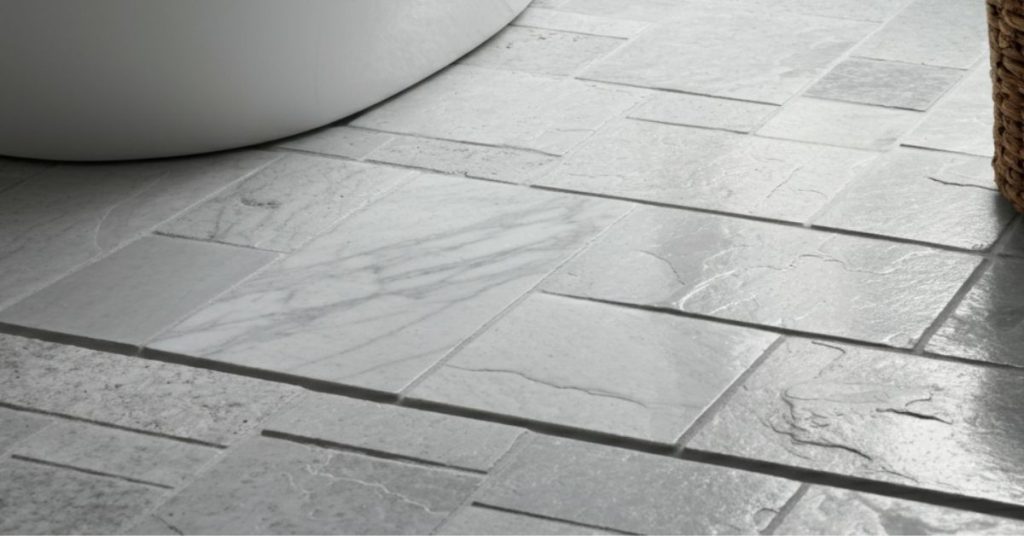
- Porous Surfaces: Grout between tiles is permeable and can absorb liquids. If urine seeps into the grout lines on your floor, it can create a lasting odor that regular mopping won’t remove.
- Plumbing Issues: Sometimes, the problem is with the plumbing itself. A damaged or failing wax ring at the base of the toilet is a frequent offender. The wax ring creates a seal between the toilet and the drain pipe; if it’s compromised, sewer gases and traces of waste can leak out, causing a smell like pee. A leak in a drainpipe can also cause a persistent smell.
- Inadequate Ventilation: A bathroom without proper airflow is a breeding ground for bacteria and mold. Moisture from showers and baths can trap odors, including the ammonia smell from old urine, making the bathroom environment feel stuffy and unclean. Poor ventilation in your bathroom prevents smells from dissipating.
Identifying the source is the first step. Once you know what you’re dealing with, you can target the problem directly and finally eliminate the smell.
How to Get Rid of Bathroom Urine Smell: A Step-by-Step Guide
Ready to reclaim your bathroom? A deep clean focused on odor elimination is different from your weekly wipe-down. Follow these steps to target and destroy the source of the urine smell.
Step 1: Gather Your Cleaning Supplies
You’ll need the right tools for the job. Standard cleaners might not be enough to break down the uric acid crystals that cause the lingering urine odor.
- Enzymatic Cleaner: Your best weapon. These cleaners contain enzymes that break down specific proteins in urine, eliminating odor rather than just masking it.
- White Vinegar and Baking Soda: This powerful, natural duo is excellent for neutralizing odors and scrubbing surfaces.
- Disinfectant Spray: For sanitizing surfaces after cleaning.
- Scrub Brushes: A toilet brush and a smaller grout brush will be essential for getting into tight spaces.
Step 2: Target the Toilet and Surrounding Areas
Start with the main suspect: the toilet. Clean not just the toilet bowl, but every part of it. Pay special attention to the hinges of the toilet seat, the toilet rim, the toilet base, and the floor around the toilet. These spots often trap urine.
Step 3: Let Your Cleaner Work its Magic
Whether you use an enzymatic cleaner or a mixture of baking soda and vinegar, don’t just spray and wipe; use a cloth to wipe down the surface. Use a cloth to wipe down the surface thoroughly, and let the solution sit for at least 10–15 minutes to penetrate the surface and break down the old urine residues that are causing the odor.
Step 4: Scrub Thoroughly
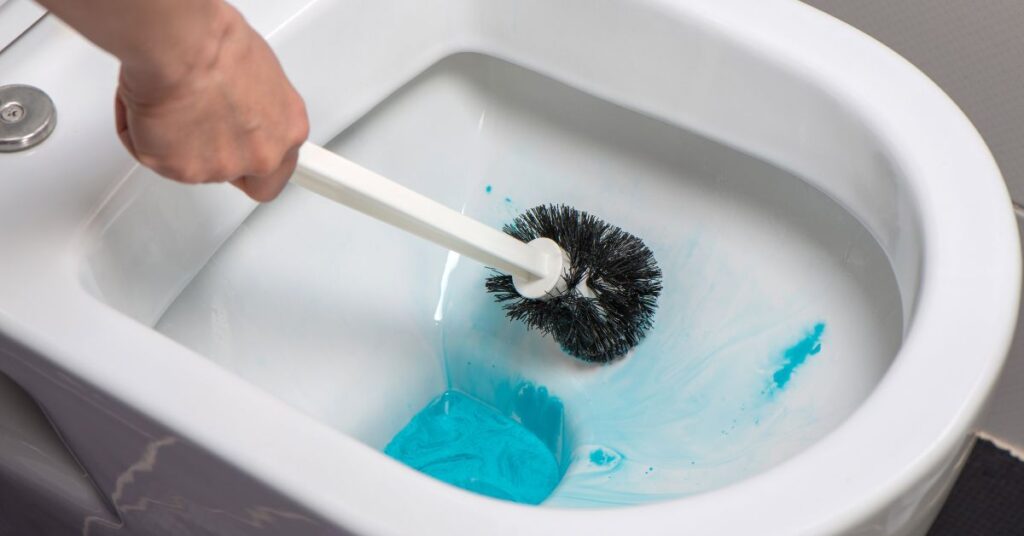
After letting the cleaner sit, it’s time to scrub. Use a toilet brush for the bowl and a smaller brush for the grout, toilet seat hinges, and the area around the toilet base. This agitation helps lift the dissolved urine from the surface.
Step 5: Rinse and Dry Completely
Rinse the surfaces with clean water and then dry them thoroughly with a cloth or paper towels. A dry environment is less hospitable to odor-causing bacteria, which is crucial for keeping your bathroom smelling fresh.
Best Cleaners for Urine Odor
Not every cleaning product effectively tackles urine smell in the bathroom.
- Natural Options: A solution of equal parts water and white vinegar is a fantastic natural cleaner and deodorizer. For tough spots on grout or the toilet base, create a paste with baking soda and water, apply it, let it sit, and then scrub it away.
- Commercial Options: These enzymatic cleaners actively break down the molecules responsible for urine odor. Manufacturers make pet stain-removal products to tackle the same types of organic stains.
- What to Avoid: Never use bleach directly on urine stains without first rinsing the area. Urine contains ammonia, and when mixed with bleach, it can create toxic chloramine gas. Stick to enzymatic cleaners or vinegar for safer, more effective results.
Removing Urine Smell from Different Bathroom Surfaces
The method you use will vary slightly depending on the surface you’re cleaning.
- Tile and Grout: Grout is the biggest challenge here. Use a baking soda paste or an enzymatic cleaner, along with a stiff grout brush, to scrub the lines thoroughly. You may need to repeat this process to eliminate the urine smell.
- Toilets: For a deep clean, use a toilet bowl cleaner and make sure to get it up under the rim. For the exterior, wipe down the entire toilet, including the tank and base, with your chosen cleaner. If the odor persists, you may need to replace the wax ring under the toilet. Homeowners may need to hire a plumber or personally remove the toilet if they have the confidence to do so.
- Bathroom Floors: For vinyl or ceramic tile, a mop with a vinegar-water solution works well. Be sure to dry the floor thoroughly afterward.
How to Prevent the Urine Smell from Returning
Once you’ve successfully eliminated the odor, the goal is to keep it from coming back. A few adjustments to your cleaning routine can make a huge difference.
- Clean Regularly and Thoroughly: Stick to a consistent cleaning schedule and make sure to include those often-missed spots, like behind the toilet and under the rim.
- Ensure Proper Ventilation: Run your exhaust fan during and after every shower for at least 20-30 minutes. If you don’t have a fan, open a window or the bathroom door.
- Address Plumbing Issues Promptly: If you suspect a leak or a faulty wax ring, call a plumber. Fixing a small leak now can prevent water damage and persistent odors later.
- Daily Maintenance: Quickly clean the toilet base and seat with antibacterial wipes to prevent urine from accumulating.
Your Path to a Fresher Bathroom
A bathroom that smells like urine even after cleaning is a solvable problem. By understanding the common causes, performing a targeted deep clean, and adopting preventive habits, you can permanently eliminate urine odor. Consistent care and attention to hidden areas are your best defense against unpleasant smells, ensuring you can keep the bathroom smelling fresh for good.
Frequently Asked Questions
1. Why does my bathroom still smell like urine after cleaning?
If your bathroom still smells like urine after cleaning, someone hasn’t eliminated the source of the odor. Urine can seep into porous surfaces like grout or hide in hard-to-reach areas, such as under the toilet rim, behind the toilet, or around the toilet base. Another common culprit is a failing toilet wax ring, which allows sewer gas to escape.
2. Can vinegar remove urine odor from tiles and grout?
Yes, vinegar is very effective at neutralizing urine odor. Its acetic acid helps break down the uric acid in urine. For tiles and grout, use a solution of equal parts white vinegar and water. Homeowners can apply a paste of baking soda and vinegar to stubborn grout smells, let it sit, and then scrub it off.
3. How can I remove the urine smell from a toilet that I clean regularly?
If a regularly cleaned toilet still smells, the issue might be the toilet wax ring, which a plumber may need to replace. Urine can get trapped in the toilet seat hinges or under the bolt caps at the toilet base. Cleaners should remove the seat and caps to clean these hidden areas thoroughly.
4. Are enzymatic cleaners safe for all bathroom surfaces?
Generally, enzymatic cleaners are safe for most bathroom surfaces, including porcelain, tile, and grout. However, it’s always a good idea to test the cleaner on a small, inconspicuous area first, especially on natural stone or sealed surfaces, to ensure it doesn’t cause discoloration or damage.
5. How can I prevent urine smell in bathrooms long-term?
Long-term prevention involves a consistent cleaning routine that covers all hidden areas, ensuring good ventilation in your bathroom with an exhaust fan, and promptly addressing any plumbing issues, such as leaks. Using antibacterial wipes for daily clean-ups around the toilet can also prevent buildup.
As an Amazon A ssociate, I earn from Qualifying purchases.