As an Amazon A ssociate, I earn from Qualifying purchases.
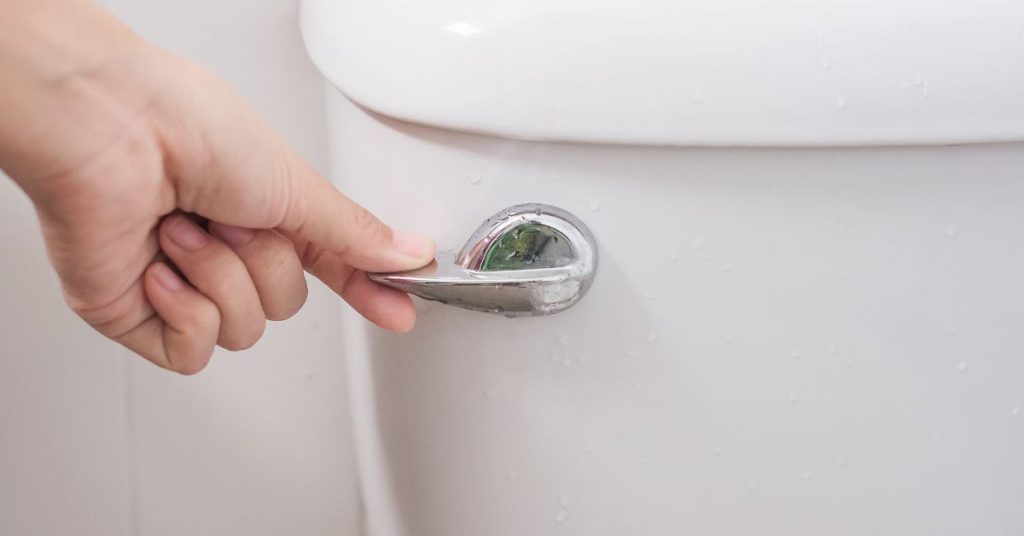
A toilet handle that is stiff, unresponsive, or increasingly hard to push is a common household nuisance. When you press the handle, you expect a smooth flush, but you’re met with resistance instead. This frustrating issue usually signals a minor problem inside the toilet tank. Often, the culprit is something simple, like incorrect chain tension, a sticky part, or a worn-out mechanism.
Fortunately, you don’t need to be a professional plumber to solve this. You can fix most hard-to-flush toilets with a few simple adjustments in just a few minutes.
This guide explains why your toilet handle is hard to flush and provides easy, step-by-step instructions to fix it. We’ll cover the common causes and show you how to get your toilet flushing smoothly again, preventing bigger problems down the line.
Contents
Why Your Toilet Handle May Be Hard to Flush
Understanding how your toilet works is the first step to fixing it. When you push the handle, you activate a lever inside the tank. This lever is connected to a lift chain that pulls up a rubber seal, called a flapper, at the bottom of the tank. When the flapper lifts, water rushes into the bowl, creating the toilet flush.
If any part of this simple system isn’t working correctly, you’ll feel it in the handle. A chain that’s too tight or tangled, a corroded handle assembly, or a worn-out flapper can create resistance, making the toilet difficult to flush. Diagnosing the cause early not only fixes the immediate annoyance but also prevents more serious issues, like a toilet that won’t flush at all or a leak that wastes water.
Common Causes for a Stiff Toilet Handle
Several issues can make a toilet handle hard to operate. Here are the most frequent culprits, explained.
- Loose, Tight, or Tangled Chain: The lift chain connecting the flush lever to the flapper needs the right amount of slack. If the chain is too tight, it pulls on the flapper even when not in use, causing leaks. If it’s too loose or tangled, it can’t lift the flapper properly, forcing you to hold the handle down or press harder.
- Sticky or Corroded Handle Mechanism: Over time, the handle assembly can accumulate rust or mineral buildup, especially in areas with hard water. This corrosion prevents the lever from moving smoothly, making the handle hard to push.
- Worn-Out Flapper: The toilet flapper is made of rubber and degrades over time. An old flapper can become stiff, warped, or waterlogged, creating too much resistance when the chain tries to lift it.
- Low Water Level: If the water level in your toilet tank is too low, there isn’t enough water pressure to create a powerful flush. A problem inside the tank can make the flush feel weak and incomplete, even when the handle works properly.
- Misaligned Handle Nut: A mounting nut inside the tank holds the handle in place. If this nut is too tight or has shifted, it can create friction against the tank, making the lever difficult to pivot.
- Debris and Sediment: Hard-water deposits and sediment can build up around the flush valve and other moving parts inside the tank. This mineral buildup restricts movement and makes the handle operation feel stiff.
How to Fix a Hard-to-Flush Toilet Handl
Fixing a hard-to-flush toilet handle is usually a straightforward DIY job. Follow these steps to diagnose and resolve the issue.
Step 1: Open the Tank Lid and Inspect
Carefully lift the lid off your toilet tank and set it aside. Look inside to see what happens when you press the flush handle. Watch how the lever, chain, and flapper interact. Does the chain get caught on anything? Does the flapper lift easily? A quick visual inspection can often reveal the problem.
Step 2: Adjust the Chain Length
The most common issue is the lift chain. It should have about half an inch of slack.
- If the chain is too tight, it won’t let the flapper seal properly, causing the toilet to run continuously.
- If the chain is too loose, it won’t lift the flapper high enough for a full flush.
- To adjust the chain length, unhook the chain from the lever arm and reattach it to a different link until you have the correct tension.
Step 3: Clean the Handle Assembly
If the chain looks fine, inspect the handle assembly for any corrosion or gunk. Use an old brush and white vinegar to scrub away any mineral buildup from the lever and the pivot point. You can also lubricate the pivot point with a small amount of plumber’s grease to help it move smoothly.
Step 4: Check the Flapper
Examine the toilet flapper. Is it brittle, warped, or covered in sediment? If it shows signs of wear, it’s time to replace it. A new flapper is inexpensive and easy to install. Turn off the water supply, flush the toilet to drain the tank, unhook the old flapper from the overflow tube, and install the new one. Ensure the flapper creates a good seal over the flush valve opening.
Step 5: Tighten or Loosen the Mounting Nut
Check the nut inside the tank that secures the handle. It’s usually a plastic nut that is reverse-threaded (left to tighten, right to loosen). If it’s too tight, loosen it slightly to allow the handle to move freely. If it’s too loose, the handle may feel wobbly, so tighten it just enough to keep it stable.
Step 6: Test the Flush
After making adjustments, turn the water supply back on and let the tank refill. Flush the toilet several times to confirm the handle operates smoothly, and the toilet completes a full flush without issues.
Other Situations That Cause a Stiff Handle
While the steps above solve most problems, sometimes other issues can cause a stiff handle.
- Hard-Water Buildup: In areas with hard water, limescale can accumulate on the lever rod and other parts, increasing friction. Regular cleaning can prevent this.
- Corroded Metal Parts: Older toilet models often have metal parts inside the tank that corrode over time, leading to stiffness. If you notice heavy rust, replace the handle or any affected parts immediately.
- Stuck Flapper Hinges: The hinges connecting the flapper to the overflow tube can get stuck or waterlogged, making it harder for the flapper to lift. Ensure these are clean and moving freely.
Preventing Handle Problems in the Future
To keep your toilet flushing smoothly, a little preventative maintenance goes a long way.
- Clean the Tank: Clean the inside of your toilet tank every few months to prevent mineral buildup.
- Replace Worn Parts: Replace the flapper and lift chain every one to two years to prevent wear and tear.
- Avoid Corrosive Tablets: Do not use drop-in cleaning tablets that contain bleach, as they can corrode the metal and rubber parts inside the tank.
- Perform Regular Checks: During your regular bathroom cleaning, lift the lid and check the handle nut and chain adjustments.
Take Control of Your Toilet’s Flush
A toilet handle that’s hard to flush is usually a sign of a simple mechanical issue inside the tank. By troubleshooting the chain, flapper, and handle assembly, you can often solve the problem in minutes with no special tools required. Addressing these minor issues early prevents them from becoming bigger, more expensive plumbing problems. These easy and inexpensive fixes will restore a smooth flush and ensure your toilet works reliably.
Frequently Asked Questions
Why is my toilet handle suddenly hard to press?
If the handle is suddenly hard to push, the most likely cause is a tangled lift chain or an object obstructing the lever inside the tank. Open the tank lid to check the chain and make sure nothing is blocking the handle’s movement.
How do I fix a stiff or stuck toilet handle?
Start by cleaning the handle assembly and pivot point with vinegar and a brush to remove corrosion or mineral buildup. If that doesn’t work, check the mounting nut inside the tank; it may be too tight. Loosening it slightly can restore smooth operation of the handle.
Can a toilet handle go bad over time?
Yes, toilet handles can wear out. The lever mechanism can corrode, plastic parts can become brittle and snap, and the finish can flake off. If the handle is wobbly, rusted, or visibly damaged, it’s best to replace it.
Does a low water level make it harder to flush the handle?
A low water level doesn’t typically make the handle harder to push, but it does result in a weak or incomplete flush. A malfunctioning fill valve can make it seem like the toilet isn’t flushing correctly, leading you to push the handle harder. The problem lies with the fill valve, not the handle.
When should I replace the toilet handle rather than repair it?
You should replace the toilet handle if it is cracked, heavily corroded, or if the lever arm is bent or broken. If cleaning and adjustments don’t solve the stiffness, a new handle is an affordable and effective solution.
As an Amazon A ssociate, I earn from Qualifying purchases.